Al Ain
Timeless heritage meets modern ambition
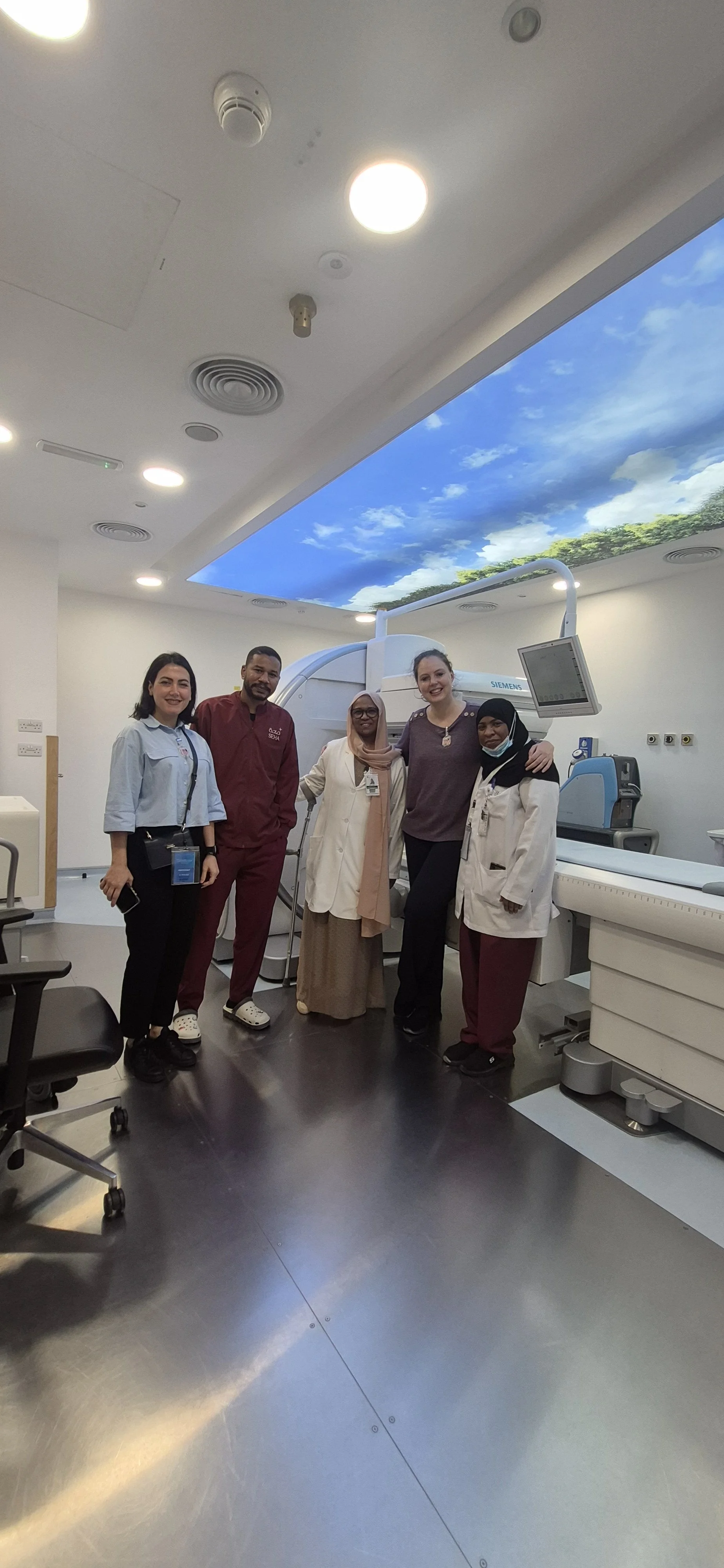
In December 2025, I had the opportunity to travel to Abu Dhabi as an invited expert for the International Atomic Energy Agency (IAEA), together with Prof. Antero Abrunhosa from the University of Coimbra. The five-day mission, hosted at SEHA Tawam Hospital, focused on supporting a national training course on advanced theranostic radiopharmaceuticals for nuclear medicine.
What made the week particularly interesting was the diversity of the group. We had radiochemists, pharmacists, technologists, physicists and other nuclear medicine professionals from different facilities across the UAE. Rather than sticking rigidly to a predetermined programme, we quickly realised that the most useful approach was to make the course as interactive as possible. Lectures therefore frequently developed into discussions about the realities of producing radiopharmaceuticals, local regulations, quality systems, professional responsibilities and, importantly, what is needed to expand theranostic services in the region.
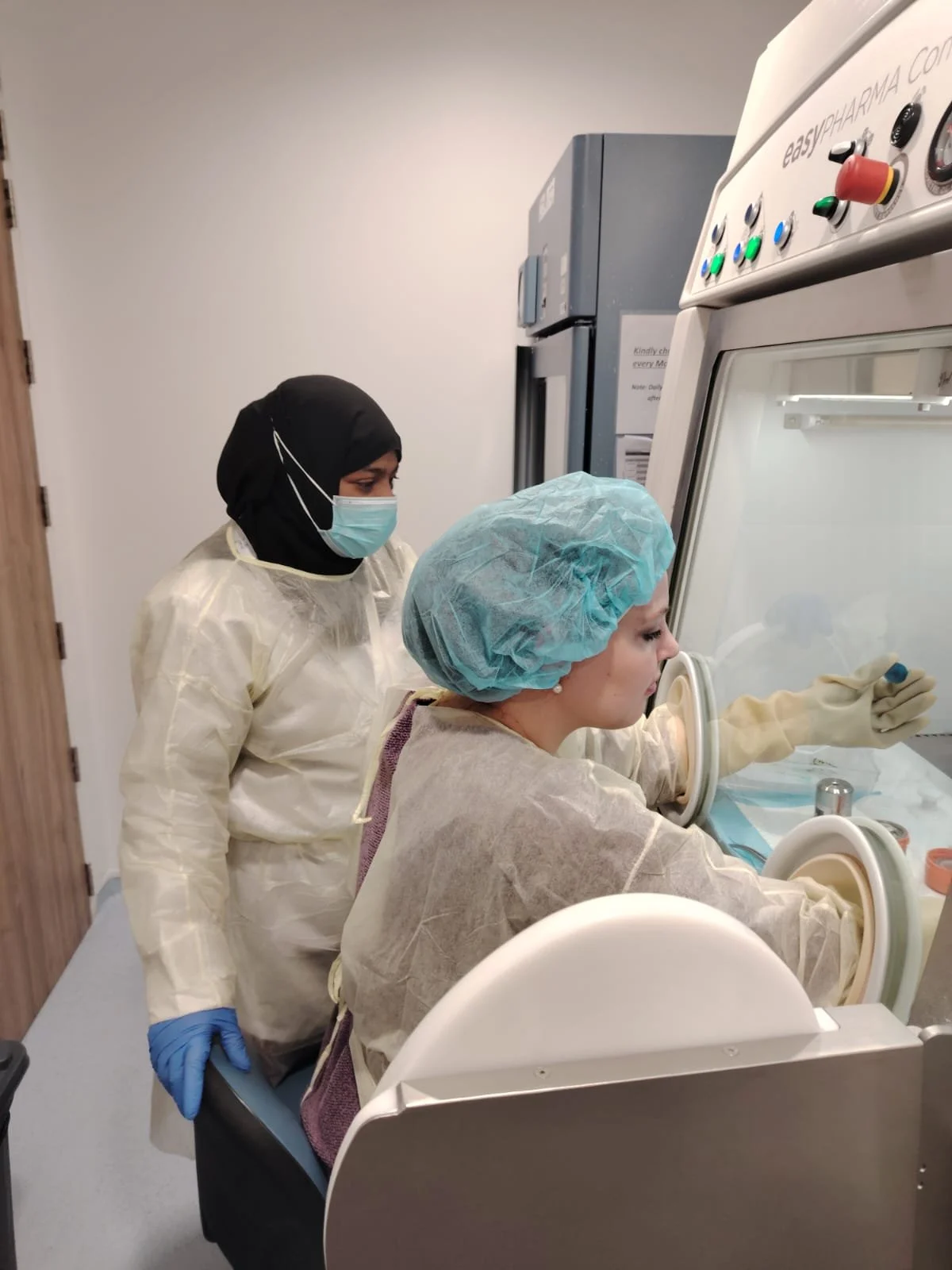
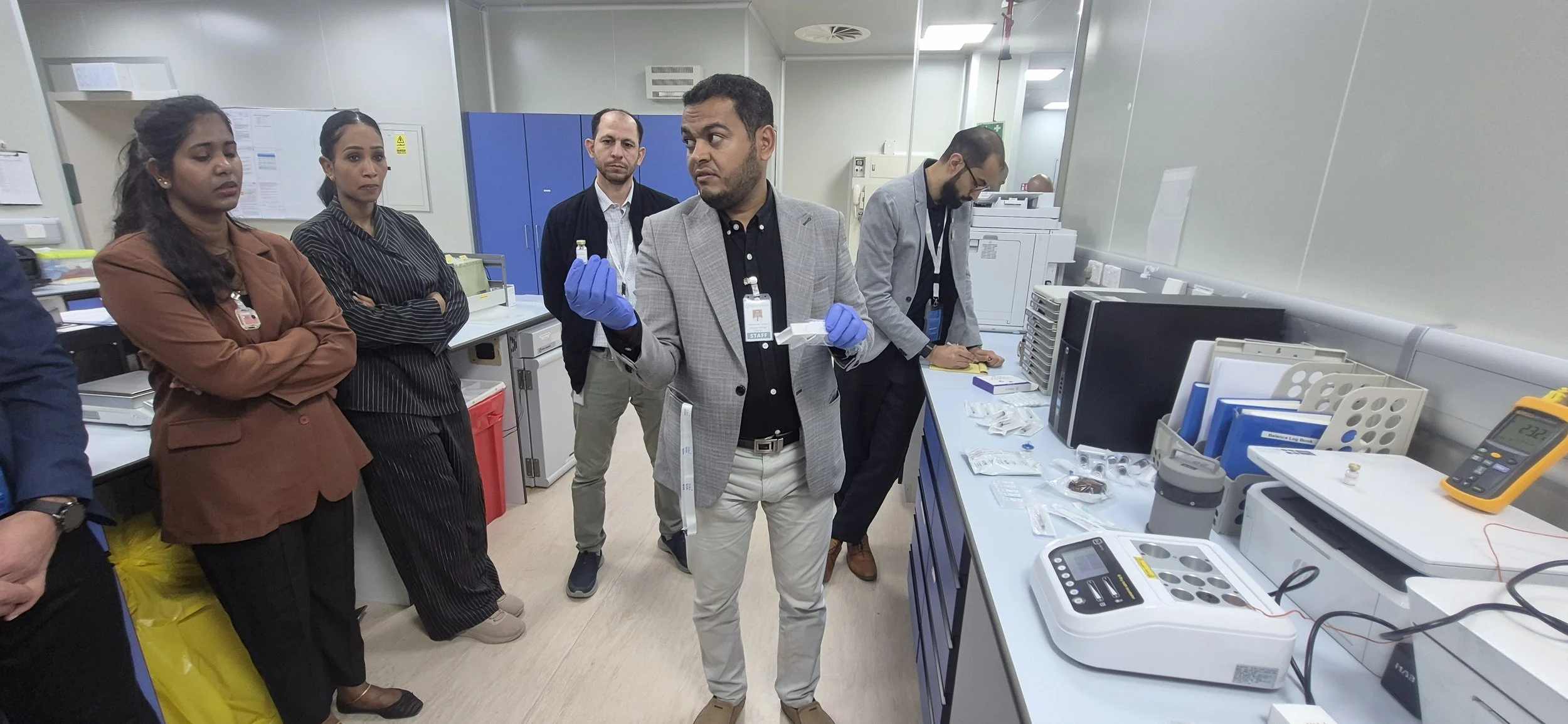
Of course, there was also plenty of radiochemistry. We covered topics ranging from gallium-68 production and radiolabelling to lutetium-177 and actinium-225 radiopharmaceuticals, quality control, radiolysis, metrology, radiation protection and the selection of targeting vectors for PSMA, somatostatin receptors and FAP. The programme included practical demonstrations of manual gallium-68 labelling, and I was also able to join the Tawam team during the preparation of a lutetium-177 radiopharmaceutical dose for a patient. This was probably one of the most valuable parts of the visit, because it allowed us to discuss the practical realities of radiopharmacy while actually standing in the facility rather than looking at them on a PowerPoint slide.
One of my favourite aspects of the mission was how much the programme evolved during the week. As we got to know the participants and understood their needs better, we replaced some planned lectures with more relevant discussions and practical sessions. There was a genuine appetite to learn, but also to talk openly about where the challenges are. The discussions increasingly moved beyond individual radiopharmaceuticals towards bigger questions: how hospital radiopharmacy should develop, what different professional groups can contribute, how quality systems can be strengthened, and what infrastructure and training will be needed as more advanced therapies are introduced.
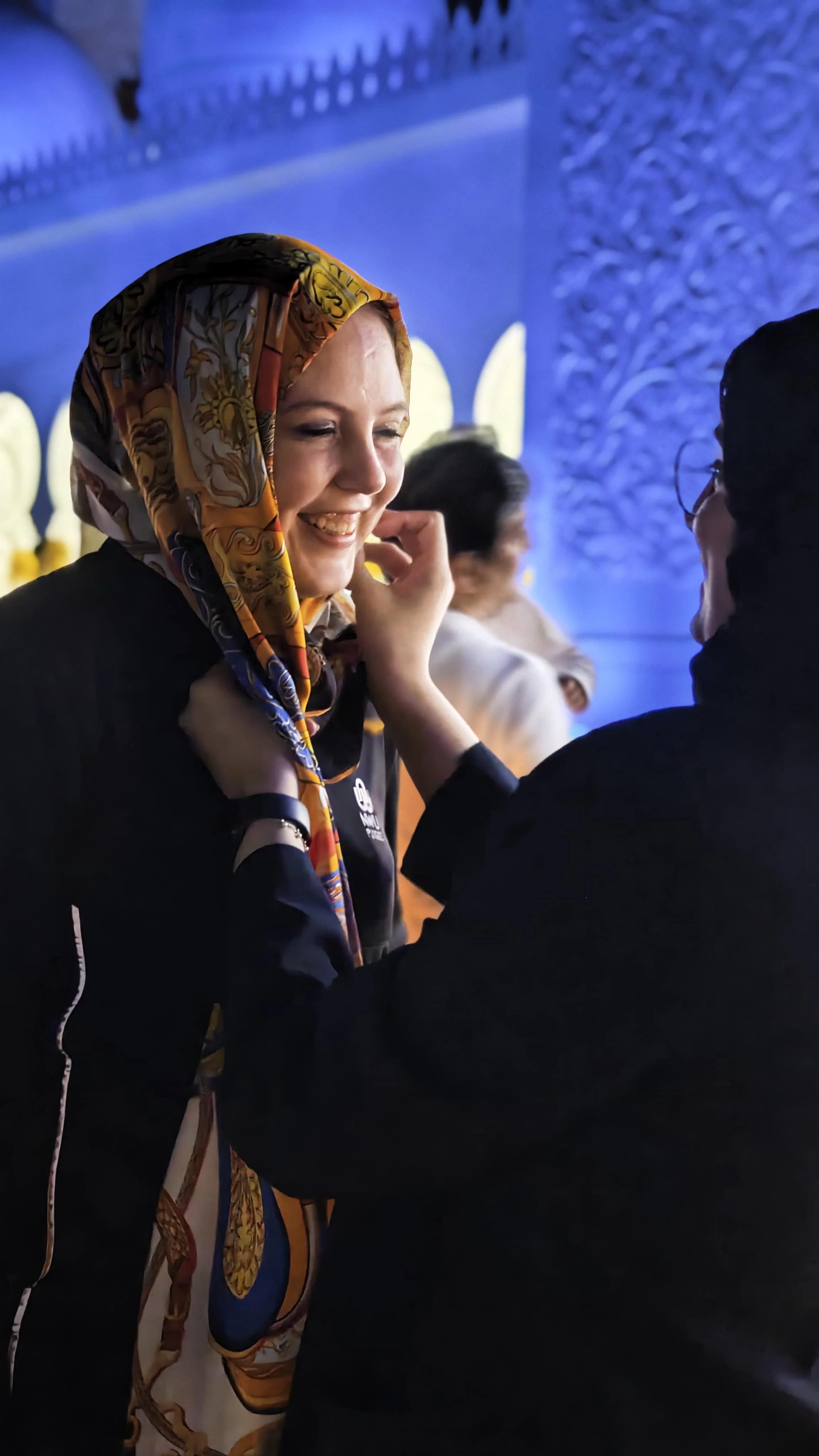
The week ended with certificates, final discussions and, thankfully, something considerably less scientific: a dinner hosted by our local colleagues for the experts, participants and their families. Overall, it was an extremely enjoyable mission and a reminder that international training works best when knowledge moves in both directions. We went to Abu Dhabi to teach, but I certainly returned home having learnt quite a bit myself — about the region, its rapidly developing nuclear medicine services, and the people working hard to move radiopharmacy forward.