Egypt
The cradle of innovation
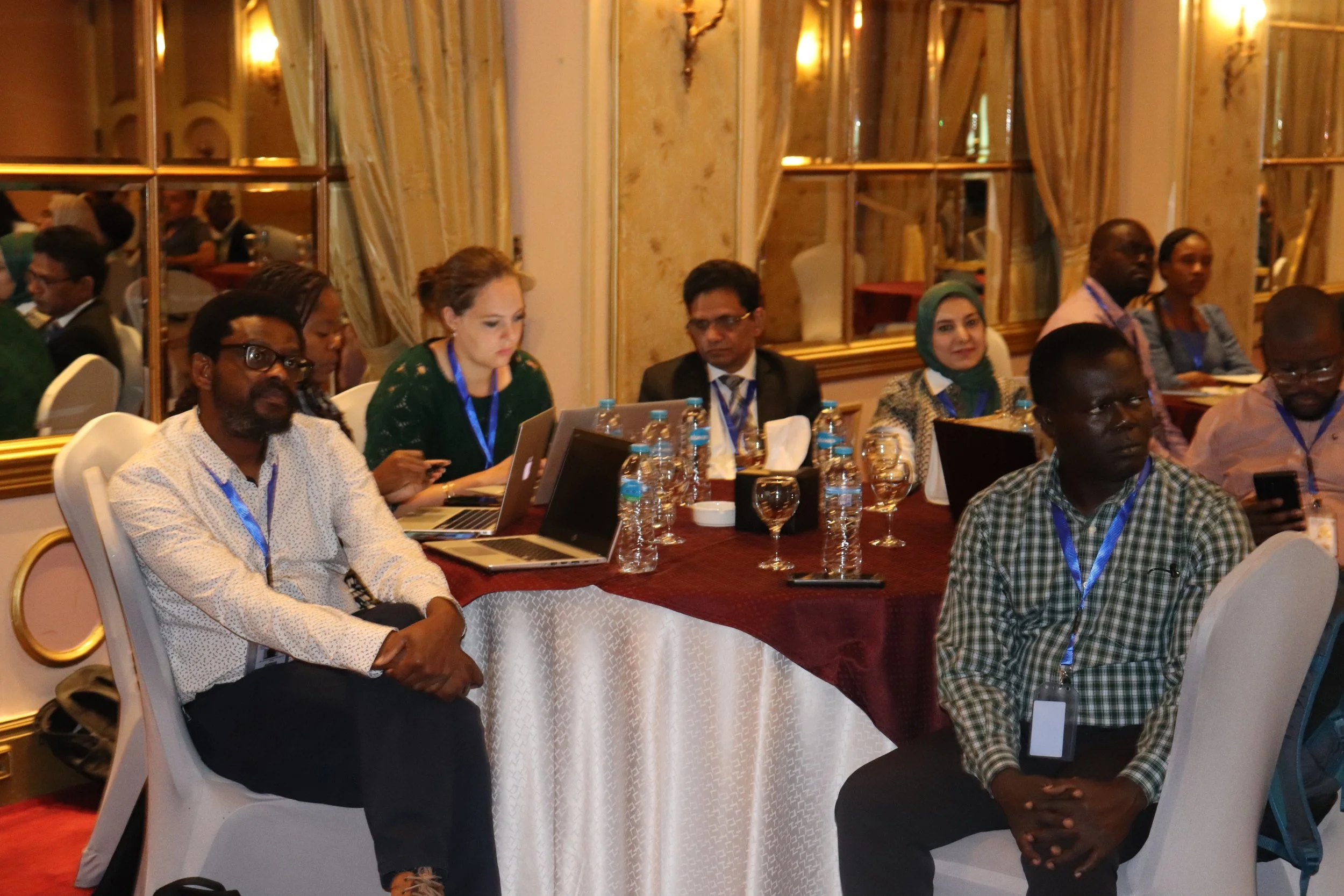
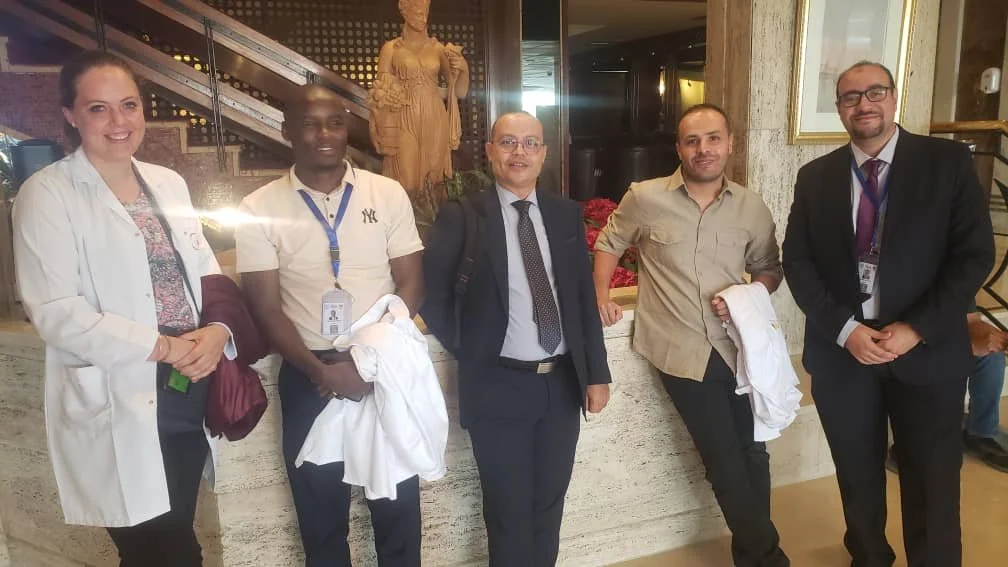
In August 2024, I travelled to Cairo, Egypt, as an invited expert for an IAEA Regional Training Course on SPECT/CT in Cancer Management. The five-day course brought together nuclear medicine professionals from across Africa, with separate training tracks for nuclear medicine physicians, medical physicists and radiopharmacists, but also plenty of opportunities to bring everyone together. My role was to lead much of the radiopharmacy component, particularly around technetium-99m chemistry, generators, radiopharmaceutical production, quality control and the growing range of target-specific SPECT radiopharmaceuticals.
What I remember most about Cairo, however, was the energy in the room. The panel discussions were probably the liveliest I had experienced at an AFRA meeting. One of our first discussions was about teamwork in nuclear medicine and what each profession contributes to patient care. Very quickly, the conversation turned towards radiopharmacy — and towards the enormous shortage of trained radiopharmacists across Africa. At the time, we discussed how the continent had progressed from only one trained radiopharmacist in 2004 to 77, which is certainly progress, but still nowhere near enough.
That discussion was particularly meaningful to me. Participants were not debating whether radiopharmacists were necessary; there was broad agreement that they were an essential part of the nuclear medicine team. Instead, the questions were about how we train enough of them, how much practical training they need, and how we make radiopharmacy a sustainable profession across the continent. There were also some very practical consequences discussed. A failed radiolabelling does not simply mean an inconvenient repeat scan. In many African settings, a patient may have travelled a considerable distance and spent money they can scarcely afford to reach a nuclear medicine department. Getting the radiopharmaceutical right matters.
Back to technetium
Scientifically, this course also took me back to one of the workhorses of nuclear medicine: technetium-99m.
We discussed everything from the basic chemistry of technetium and molybdenum-99/technetium-99m generators to newer technetium-labelled PSMA, somatostatin receptor and FAP-targeting radiopharmaceuticals. I also gave a session called “What can go wrong when labelling Tektrotyd and technetium-99m PSMA?” — which turned out to be much more interactive than I expected, even among the physicians and physicists.
I particularly enjoy these troubleshooting discussions because radiopharmacy is rarely as simple as following a recipe. Why shouldn't you fractionate certain kits? Why does the age of the generator eluate matter? What happens if the technetium is not reduced correctly? What if the ITLC looks wrong? And when a scan suddenly shows completely unexpected biodistribution, is the problem the patient, the imaging protocol or the radiopharmaceutical?
The figure I used during the course actually followed exactly that logic — working backwards from unusual biodistribution through patient preparation, administration, imaging and finally radiopharmaceutical preparation and quality control. It was a good reminder that solving problems in nuclear medicine often requires the whole team, rather than each profession looking only at its own small part of the process.
Designing radiopharmacy for the environment where it will actually operate
Another session I particularly enjoyed was on the design and operation of SPECT radiopharmacies. Rather than discussing ideal facilities only from textbooks, participants submitted examples of facilities that were being planned or upgraded in their own countries. We could then sit together and discuss what might work, what might create problems and how facility design affects everything from workflow to microbiological control. Examples from Uganda and Nigeria were discussed alongside an established South African radiopharmacy.
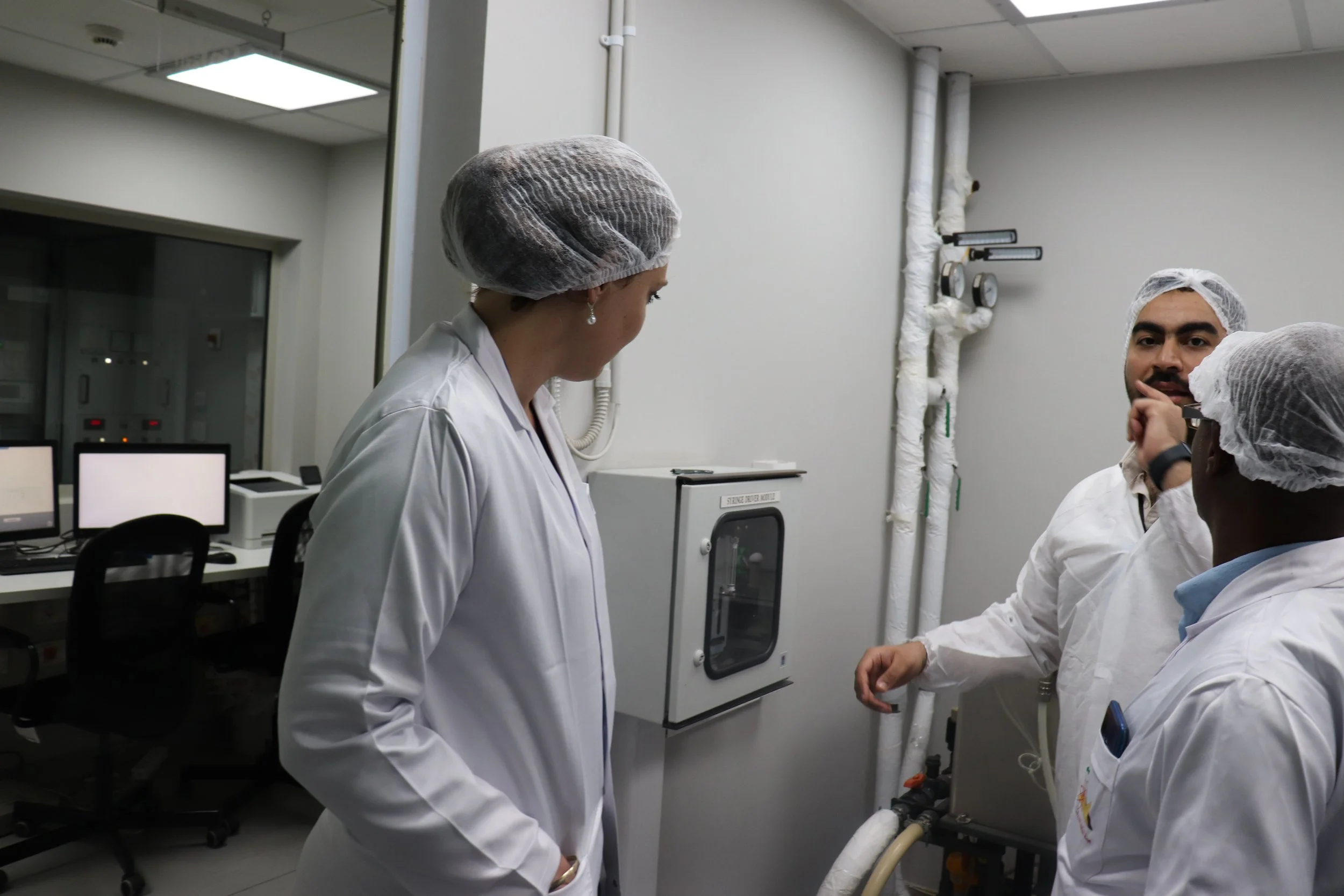
We also visited the cyclotron facility at Universal Medical Centre. I was particularly impressed by how efficiently the facility had been designed and by its highly streamlined quality-control system, allowing the cyclotron operation to function with a very small team. For participants from countries already planning cyclotron facilities, seeing a working facility rather than simply discussing one in a lecture was particularly valuable.
But the course also reinforced something that has become increasingly important in how I think about nuclear medicine development in Africa: the most technologically advanced solution is not automatically the most appropriate one. Different countries are starting from very different positions. For some, a cyclotron is the logical next step. For others, strengthening an existing technetium-99m service, improving quality control or training the first radiopharmacist may have a much greater immediate impact.
More than another training course
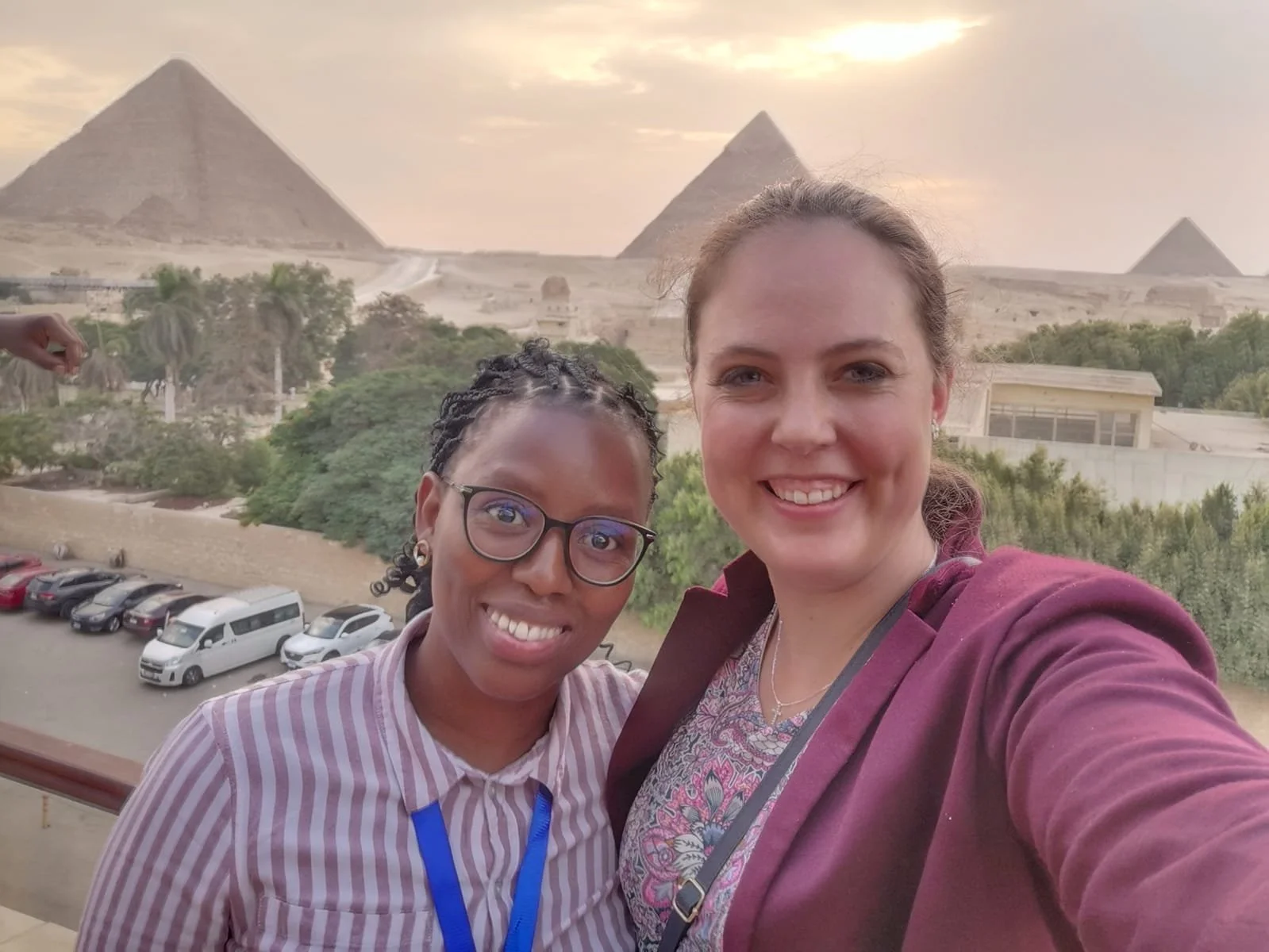
There was also another side to Cairo. The social events were excellent — good food, music, plenty of laughter and, inevitably, a visit with a view of the pyramids. My formal mission report rather understated this part of the week, although I did include one photograph simply to prove that an IAEA mission does occasionally involve something other than lectures and radiopharmaceuticals.
But something more important happened during those conversations.
Being South African myself, listening to colleagues describe the realities of trying to practise and develop radiopharmacy across the continent affected me deeply. There were common problems — shortages of trained people, limited educational opportunities, difficult procurement, resource constraints — but there was also an enormous amount of enthusiasm and expertise sitting in that room.
So when I think back to Egypt, I certainly remember the technetium chemistry, the lectures, the cyclotron and the pyramids. But more than anything, I remember the people.
Cairo was one of the trips that made me realise that my interest in African radiopharmacy had become something more than an occasional part of my work. It was something I wanted to actively help build.