Ethiopia
Rooted in history, rising with vision
In June, I had the privilege of travelling to Addis Ababa, Ethiopia, representing the Oncidium Foundation at the Rays of Hope Forum, held from 30 June to 1 July. The meeting brought together representatives from across the world to discuss one of the most pressing challenges in global cancer care: how we can expand access to cancer diagnosis and treatment in countries where the need is enormous, but resources remain limited.
The scale of that challenge became very clear during the meeting. More than 90 countries have requested assistance through the Rays of Hope initiative to establish or expand radiotherapy services, with equipment installation and training already taking place internationally. Yet one of the most important lessons for me was that providing sophisticated equipment is only one part of the solution.
Perhaps the presentation that stayed with me most was that of Sewera Deju, a breast cancer survivor, advocate and counsellor with the Nigat Breast Cancer Support Group. Her contribution brought the discussion back from infrastructure, policies and equipment to the person for whom all of this ultimately exists: the patient.
Some of the discussions were sobering. In many resource-limited settings, even basic breast cancer screening and early detection remain inadequate. Incomplete cancer registries can make the problem worse: if a country cannot accurately quantify its cancer burden, it becomes considerably more difficult to determine what infrastructure is required or to make the case for international support.
Beyond the conference
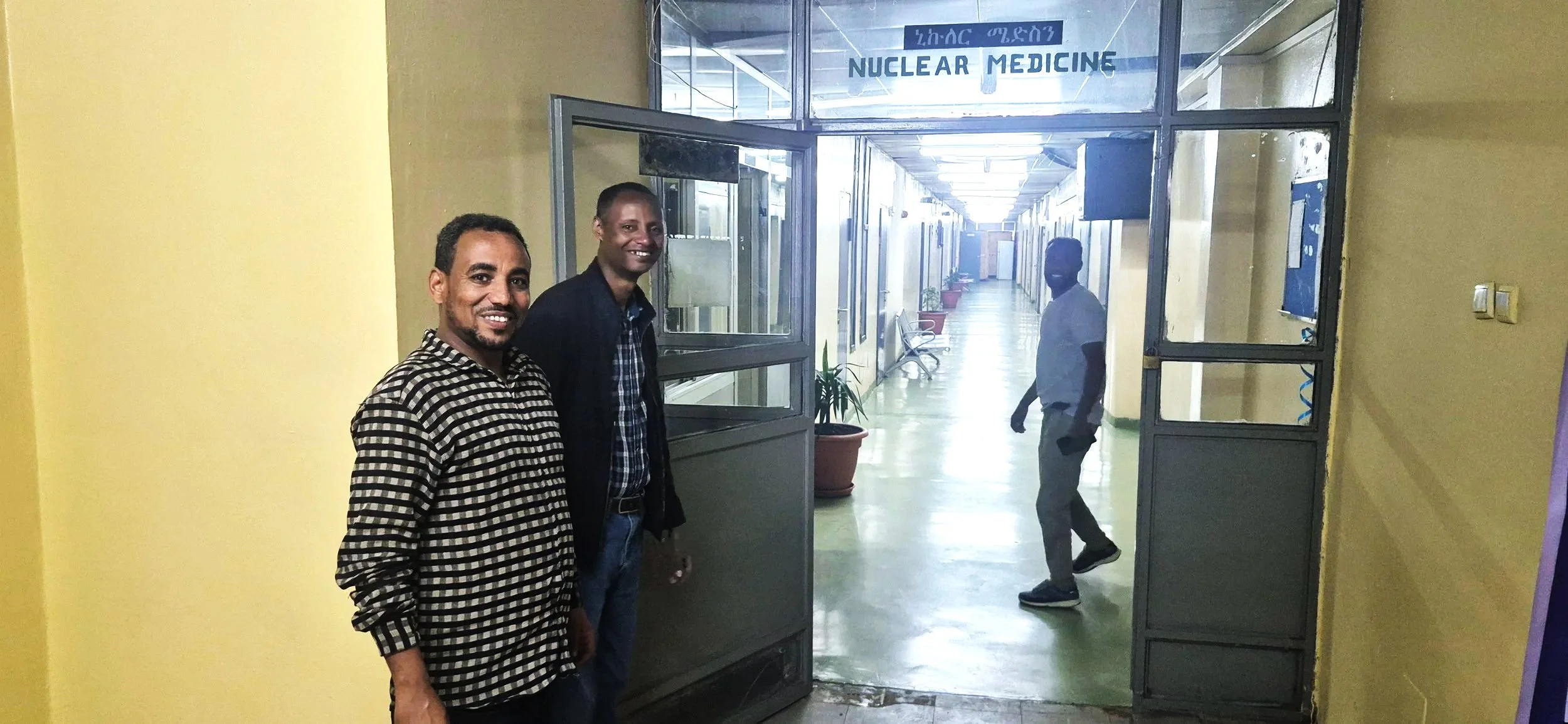
For me, however, the most interesting part of the trip came when I stepped outside the conference venue and visited nuclear medicine facilities in Addis Ababa.
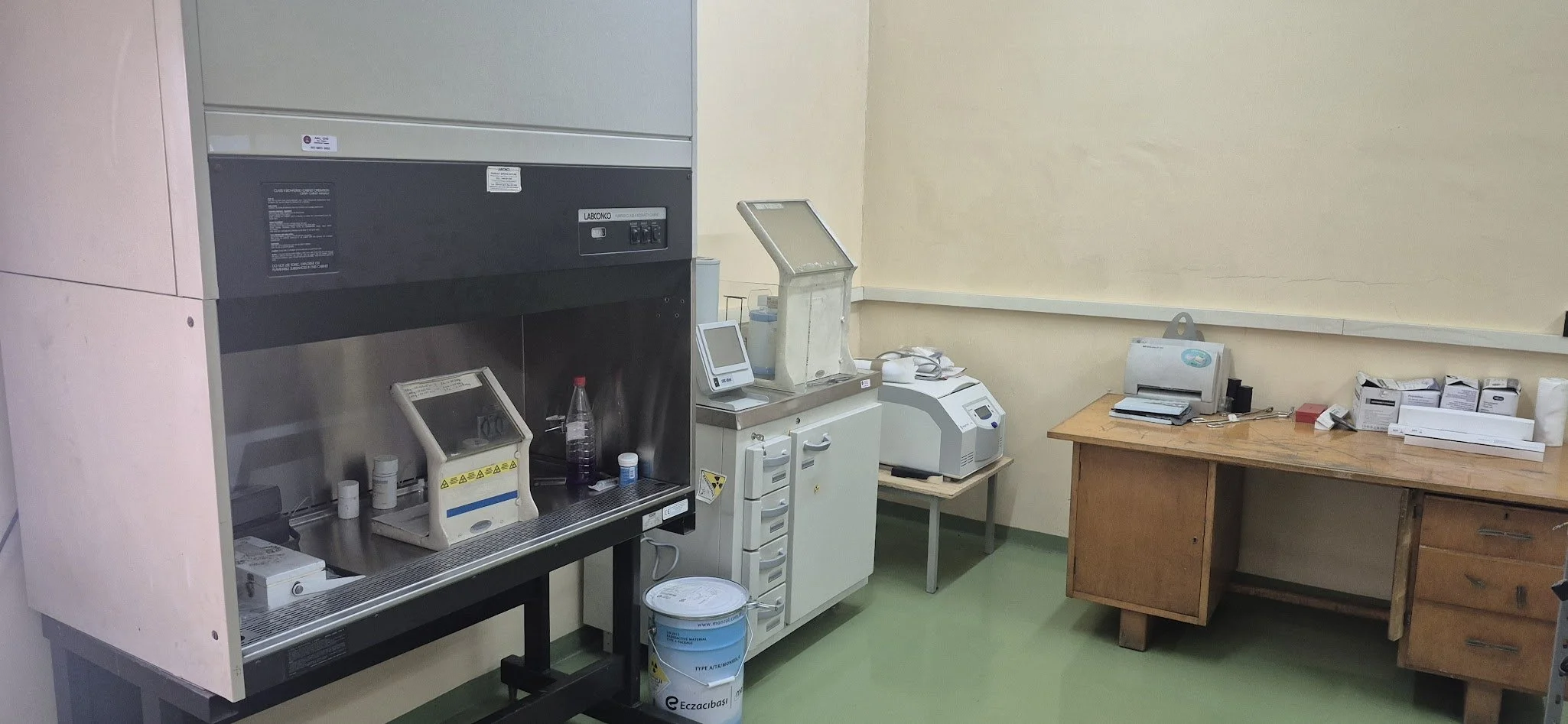
I visited both private and government/academic facilities, and the contrast was fascinating. At the private Pioneer Diagnostic Centrum, the department operates a SPECT/CT system and a small radiopharmacy, receiving approximately one technetium-99m generator each month. The facility currently provides diagnostic nuclear medicine and has, on occasion, even assisted the government with technetium-99m during shortages.
At the government and academic facility, I encountered something different: potential waiting to be activated. Two new SPECT/CT systems were available, together with new radiopharmacy equipment, hot cells and radio-HPLC. Government and IAEA support was planned to provide technetium-99m generators and conventional radiopharmaceutical kits. At the time of my visit, the programme remained diagnostic, but there was already a clear desire to move towards radionuclide therapy.
That distinction is important. In countries such as Ethiopia, the challenge is not always simply “we need more equipment.” Sometimes the equipment is already there. The challenge becomes converting infrastructure into a functioning, sustainable clinical service: radionuclide supply, trained personnel, quality systems, radiation protection, waste management and, ultimately, the confidence and expertise to introduce increasingly complex radiopharmaceuticals.
Meeting Ethiopia's radiopharmacy community
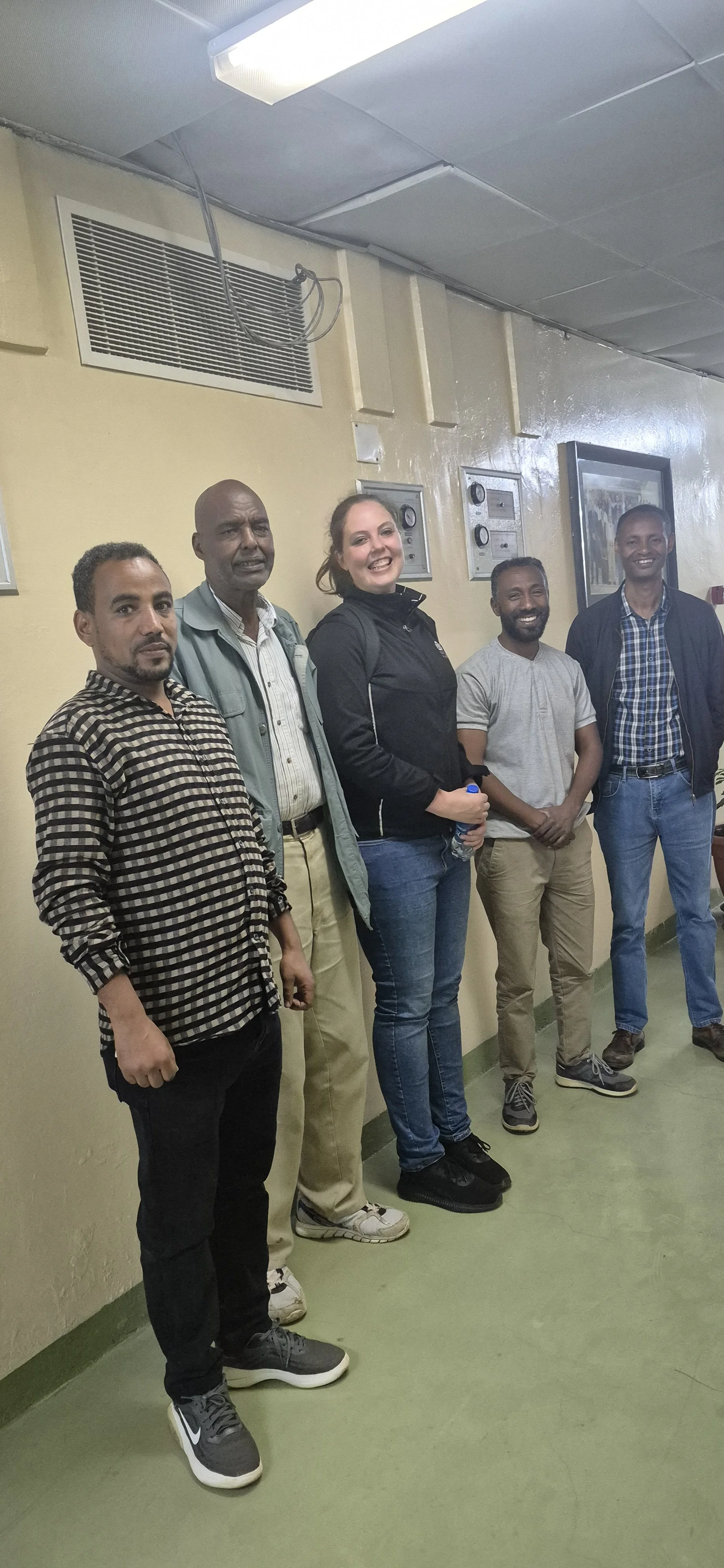
One of my personal highlights was meeting what is still a remarkably small radiopharmacy community. I met Desalegn Abeje, who completed an M.Pharm in Radiopharmacy in South Africa in 2022; Yohannes Jorge, described during my visit as Ethiopia's first radiopharmacist/professor; and Aschalew Alemu Marie, who trained as a radiopharmacist in Macedonia. I also met Dereje Degu Bayassa, a radiopharmacist in training, and Emeshaw Damtew, a recently graduated PhD radiobiologist.
It is a small group of people relative to the scale of the country and the ambitions for nuclear medicine. But perhaps that is precisely why meeting them mattered so much. Buildings and scanners can be purchased. A sustainable nuclear medicine programme ultimately has to be built around people.
And the ambitions I encountered were certainly not small.
The longer-term vision discussed during my visit included getting the existing upgrades fully operational, addressing waste management for therapeutic radionuclides, establishing radionuclide therapy beginning with iodine-131 and subsequently lutetium-177, and eventually expanding towards PET/CT and cyclotron-based services. Perhaps most exciting to me was the ambition to establish a Master's degree in Radiopharmacy that could train students from across Africa.
That is the type of development that can have an impact far beyond one hospital or even one country.
A different perspective on access
Trips such as this repeatedly change how I think about expanding radiopharmaceutical therapy in Africa.
From Europe, it is tempting to view the future of nuclear medicine through the lens of the newest radiopharmaceutical, radionuclide or imaging technology. But the realities on the ground are often very different. Before discussing increasingly sophisticated therapies, a centre may first need a reliable generator supply. Before installing more equipment, it may need people trained to operate what is already there. Before introducing therapeutic radionuclides, it needs workable solutions for radiation protection and radioactive waste.
What I saw in Ethiopia was not simply a nuclear medicine programme constrained by what it currently lacks. I saw the foundations of something that could become substantially larger: new infrastructure, a small but growing group of trained professionals, international support and, importantly, people with the ambition to take the next step.
The question now is how to connect those pieces.
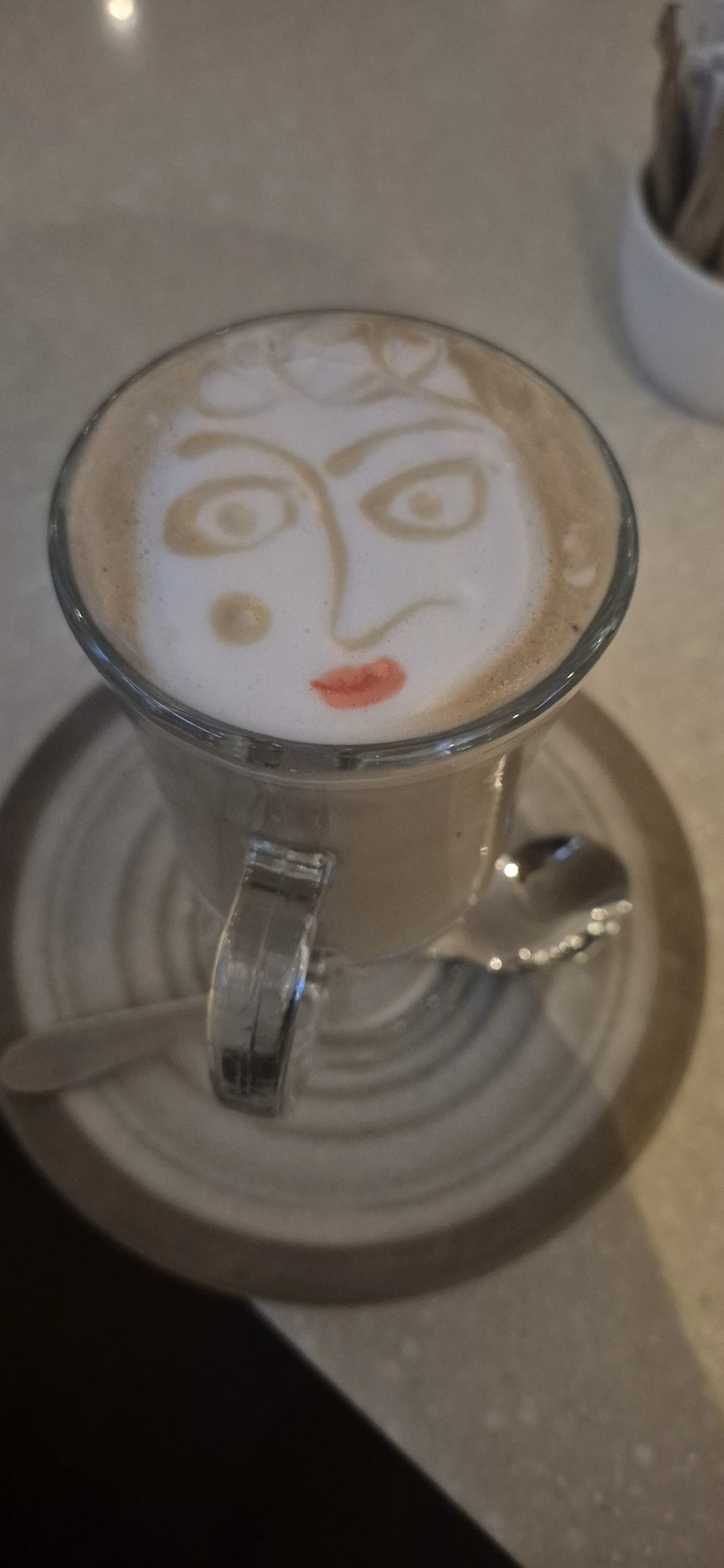
And, because no visit to Ethiopia would be complete without it, there was also a lot of coffee.
I left Addis Ababa thinking that the future of nuclear medicine in Africa will not be created by simply reproducing European or North American models. It will require solutions designed around local realities, sustainable radionuclide supply, education, regional collaboration and the people who will actually build and operate these programmes.
I hope this was only the first of many visits.