Kenya
Bold by nature. Driven by vision
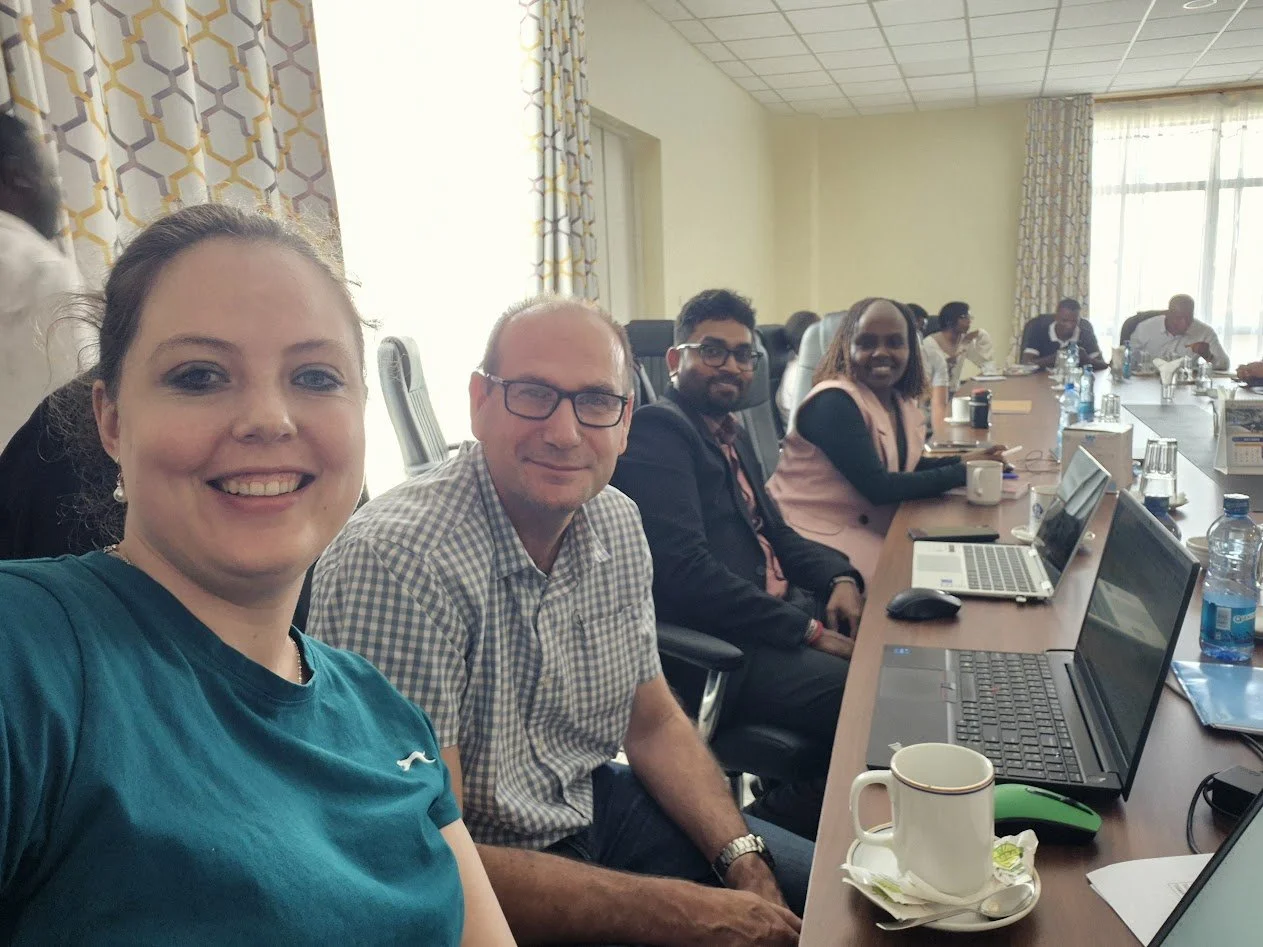
In November 2025, I travelled to Nairobi, Kenya, as an invited expert for the International Atomic Energy Agency (IAEA), together with Prof. Jan Rijn Zeevaart and Dr Yehia Omar. The five-day mission was hosted by Kenyatta University Teaching, Referral and Research Hospital (KUTRRH) and focused on something very practical: how to move theranostic radiopharmaceuticals from theory towards actual implementation. The course was also a milestone, as it was the first joint training effort between the IAEA and the Oncidium Foundation following their agreement to collaborate on expanding access to targeted radionuclide therapy in underserved regions.
From the beginning, this was deliberately not designed as a week of lectures alone. The participants were a very focused group - all involved in the radiopharmaceutical production. It is rare to have so many radiopharmacists in one training group, clearly demonstrating Kenya’s commitment to promote this profession. We covered the fundamentals of gallium-68 and lutetium-177 radiochemistry, chelator chemistry, quality control and radiation safety, but also spent time on the bigger questions: why different PSMA or somatostatin receptor-targeting molecules are not necessarily interchangeable, how pharmacokinetics influence the choice of a diagnostic versus therapeutic vector, and, perhaps most importantly, what to do when a radiolabelling procedure does not behave as expected.
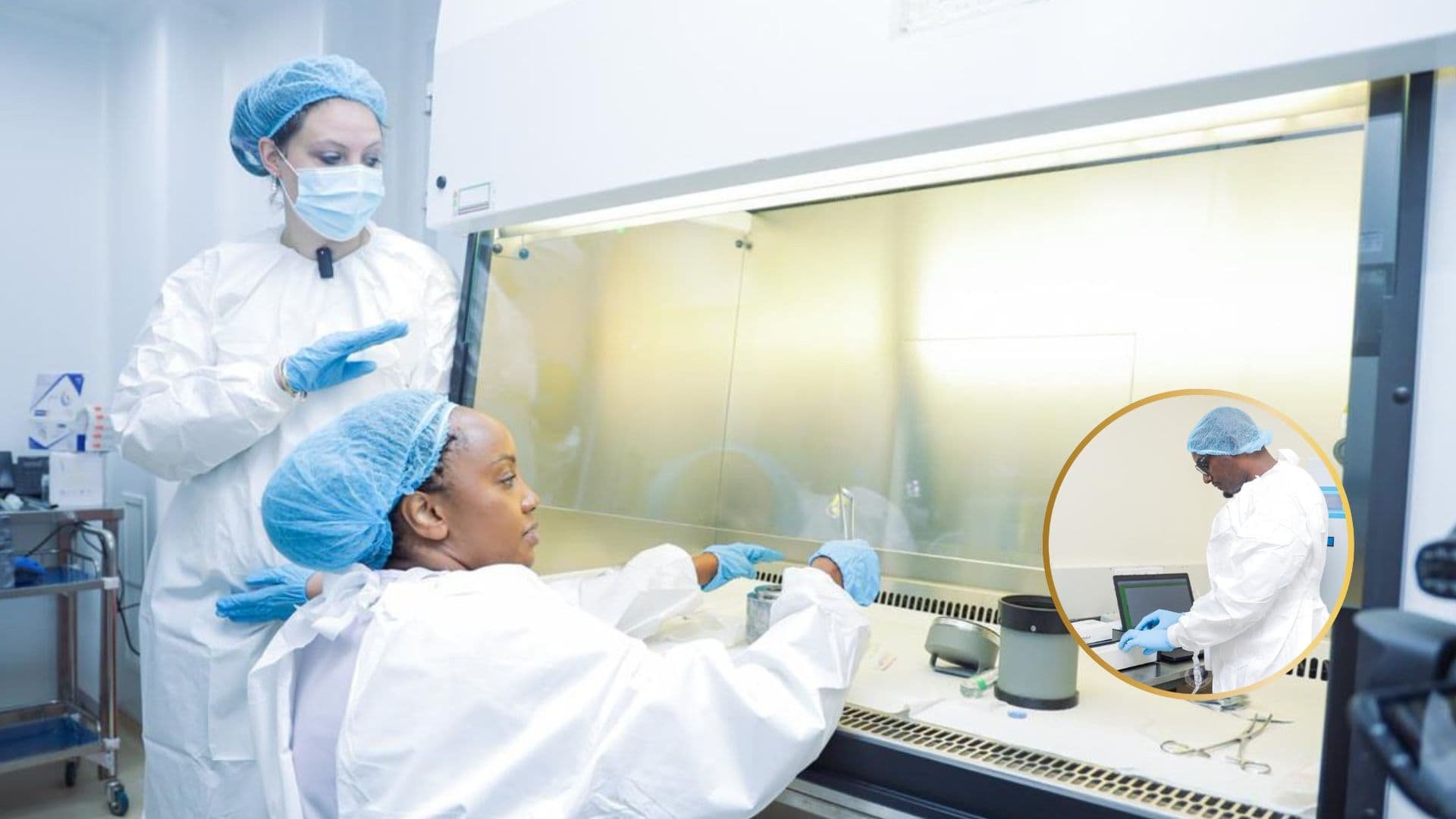
The practical component was really the heart of the week. Participants first worked through the preparation and quality control of gallium-68 PSMA-11, with small groups getting hands-on experience rather than simply watching a demonstration. The enthusiasm was quite infectious — there was certainly no shortage of volunteers! We deliberately kept the groups small so that everyone at the bench had time to perform the procedures, look at the quality-control results and, most importantly, ask questions.
As the week progressed, we adapted the programme according to what the participants actually wanted to know. This resulted in additional discussions on radiation safety and waste management, aluminium-[¹⁸F]fluoride as an alternative to gallium-68, and an entire session on “what can go wrong” during gallium-68 and lutetium-177 radiolabelling. I particularly enjoyed this aspect of the course. In radiopharmacy, understanding a perfect labelling protocol is useful; understanding why it sometimes fails is considerably more useful.
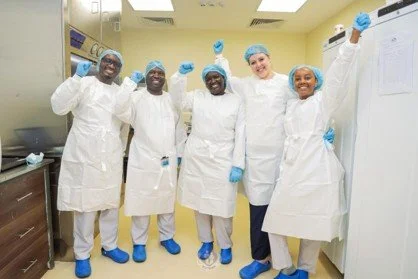
The major milestone came on the final day. With lutetium-177, peptide and consumables donated by the Oncidium Foundation, we worked with the local radiopharmacy team to prepare [¹⁷⁷Lu]Lu-PSMA-I&T for an actual patient. Elizabeth Itotia performed the radiolabelling under my supervision, while we simultaneously developed an SOP and recorded the procedure for future training. The radiopharmaceutical was successfully prepared and the clinical team subsequently administered the treatment to the patient. For me, this was what made the mission particularly meaningful: by Friday, the training had moved all the way from lectures on radiochemistry to a locally prepared therapeutic radiopharmaceutical being used in patient care.
There was also some time to see a little more of nuclear medicine in Nairobi. We visited Nairobi West Hospital, attended a continuing medical education evening on the use of lutetium-177 in prostate and neuroendocrine tumours, and even found ourselves speaking briefly to the local press at the start of the week.
What stayed with me most, however, was the enthusiasm of the Kenyan team. KUTRRH has impressive infrastructure and a group of people who clearly want to build their theranostics programme further. The combination of a radiochemist, radiopharmacist and nuclear medicine physician teaching together also worked exceptionally well: chemistry could be connected directly to radiopharmacy practice and then followed all the way through to the clinical patient. That is probably the best way to describe the week in Nairobi — not simply teaching how to make a radiopharmaceutical, but looking at the complete journey from chemistry to patient.