South Africa
Home is where the heart is
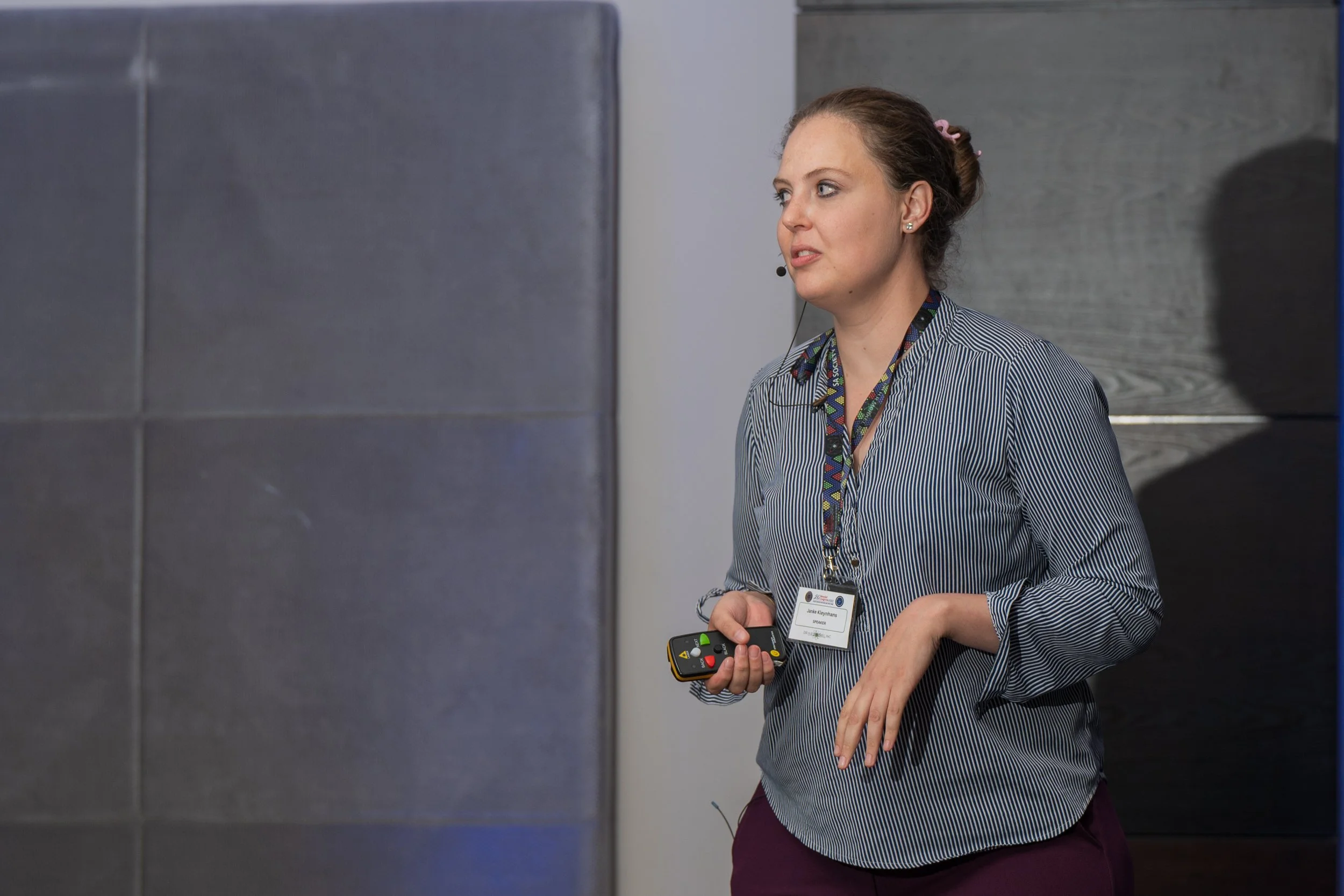
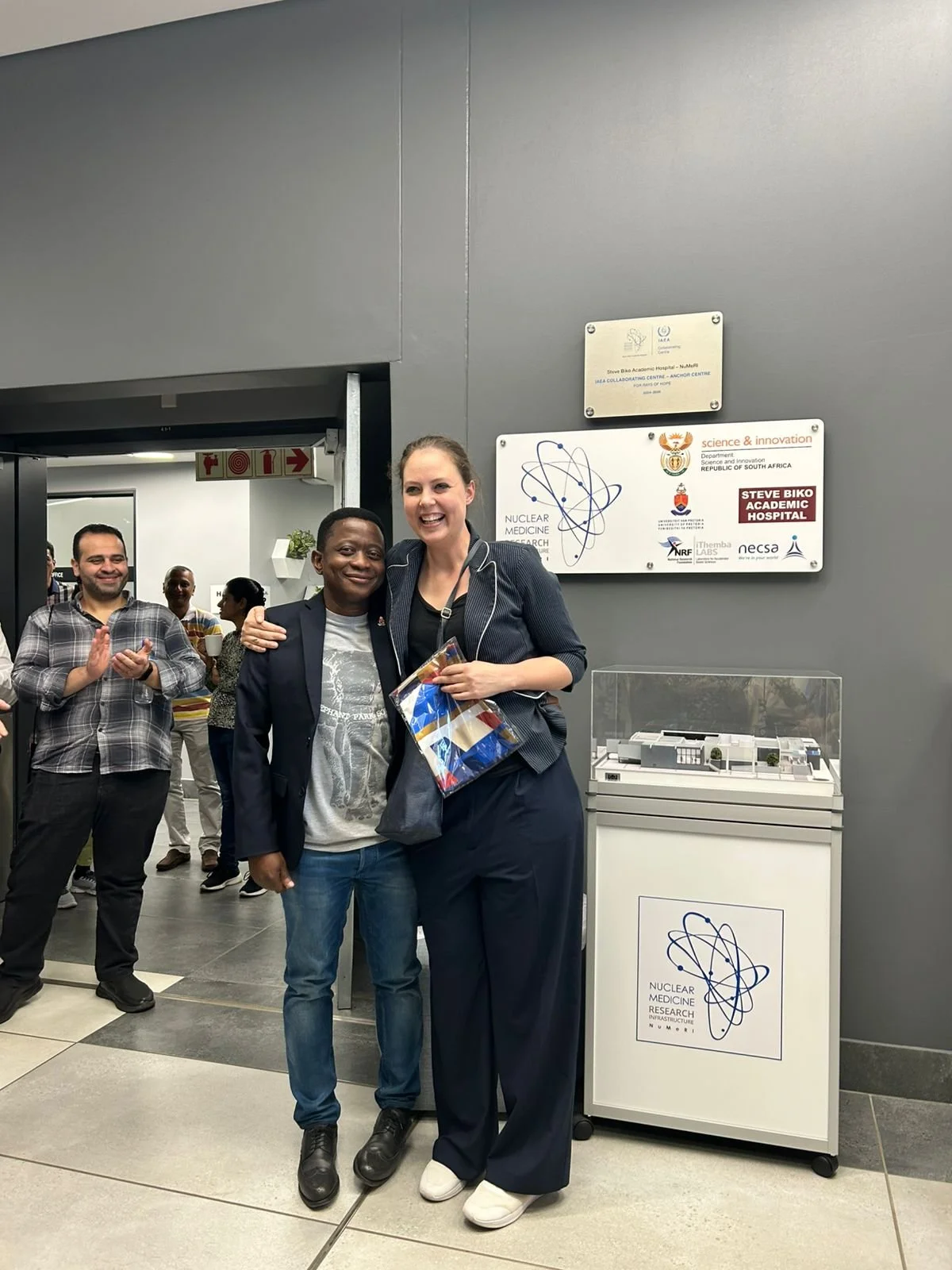
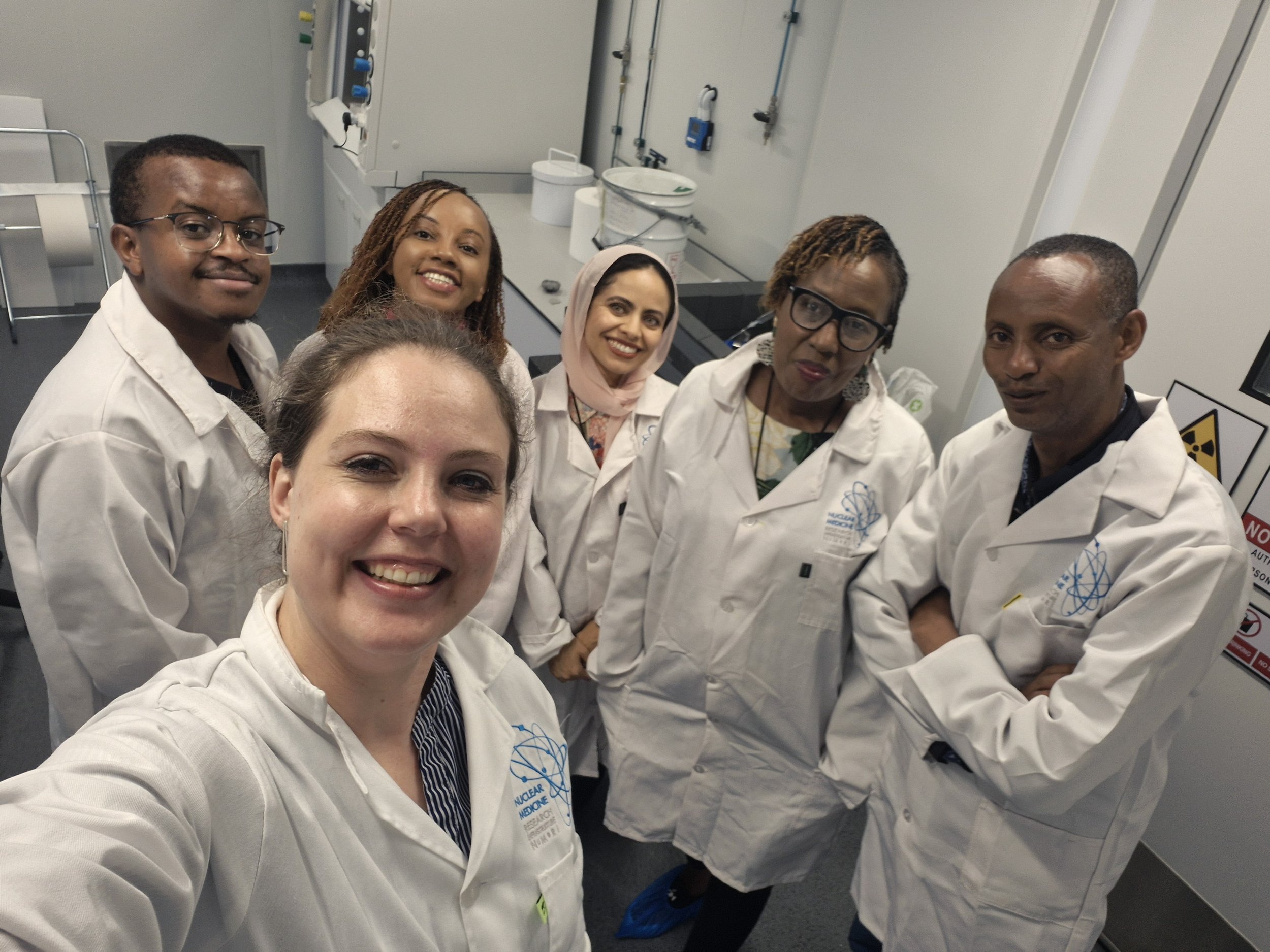
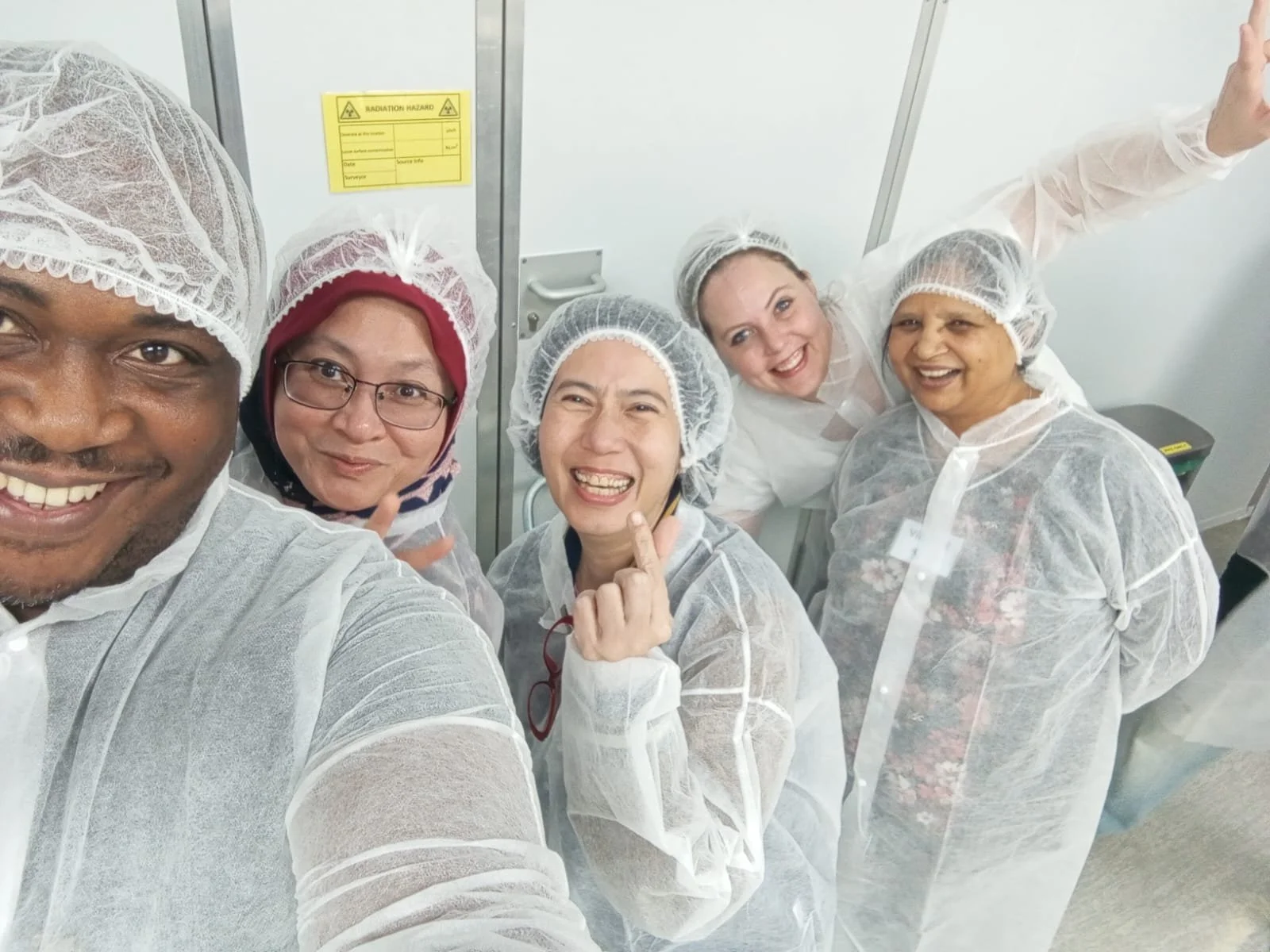
In January 2025, I had the opportunity to participate as an invited expert in an IAEA Regional Training Course on Nuclear Medicine Therapies, hosted by the Nuclear Medicine Research Infrastructure (NuMeRI) in Pretoria, South Africa. The five-day course brought together nuclear medicine professionals from across Africa, with physicians, physicists and radiopharmacy professionals learning alongside one another. My responsibility was largely the radiopharmacy track, with a particular focus on how theranostic radiopharmaceuticals can actually be implemented in practice.
This mission was particularly special to me because, in many ways, it felt like coming full circle. Earlier in my career, I had been an AFRA training participant myself. Those IAEA programmes introduced me to international experts, changed the way I thought about the scope of radiopharmacy and encouraged me to grow within the field. Years later, I was standing on the other side of the room as an IAEA expert. It was one of those moments where you suddenly realise how much has happened between two points in your career.
A week of radiopharmacy — from gallium-68 to alpha emitters
We covered quite a lot of ground during the week. I spoke about targeting vectors for PSMA, somatostatin receptors and FAP, diagnostic radiolabelling, lutetium-177 radiopharmaceuticals, technetium-99m and rhenium-188 chemistry, and the rapidly developing field of targeted alpha therapy. We also spent time discussing something that I think is increasingly important: not every targeting vector is appropriate for every application. Choosing a molecule for imaging is not necessarily the same as choosing one for therapy, and understanding the underlying chemistry and pharmacokinetics is essential.
One of the highlights was that this was not simply a lecture-based course. We incorporated practical demonstrations of both gallium-68 and lutetium-177 radiolabelling, together with quality control. For me, this was an important milestone because it was the first AFRA training I had been involved with that included such a substantial practical component. There are always limitations to what can realistically be demonstrated during a short international training course, but being able to move from PowerPoint slides to an actual generator, radiolabelling procedure and quality-control discussion changes the nature of the learning completely.
NuMeRI also turned out to be a particularly interesting place to hold such a course. There were several international scientists visiting the facility at the same time, and we took advantage of that whenever we could. Frederik Cleeren from KU Leuven joined us to introduce aluminium-fluoride radiolabelling, while Jens Cardinale from the University of Düsseldorf contributed to our discussions on rhenium-188 and generator-based theranostics. It made the programme slightly unpredictable at times, but in the best possible way — people who happened to be there and had something valuable to contribute simply joined the discussion.
Learning what Africa actually needs
Perhaps the most valuable part of these courses is not the formal programme at all. It is getting people from different countries around the same table and asking: Where are you now? What are you trying to implement? And what is actually stopping you?
Those conversations repeatedly challenged some of my own assumptions. For example, I expected gallium-68 to dominate discussions around diagnostic theranostics, but there was much more interest in technetium-99m than I anticipated. It made me question whether we sometimes become so focused on introducing the newest technologies that we overlook technologies that may be more practical and immediately useful in particular settings.
The same was true when we discussed procurement and radionuclide logistics. A lecture by local expert Samantha du Plessis generated some of the strongest engagement of the entire week. For many African radiopharmacies, the challenge is not necessarily understanding that a new radiopharmaceutical exists. The much more immediate question is: How do we actually get the radionuclide into the country reliably and affordably?
It reinforced something I increasingly believe about nuclear medicine development in Africa: Africa cannot be treated as one homogeneous nuclear medicine environment. Different countries — and sometimes different hospitals within the same country — are at completely different stages of development. Training therefore becomes much more useful when participants with similar infrastructure, experience and immediate goals are grouped together. This particular group was relatively homogeneous in experience, which made it possible to have much more focused discussions.
From participant to expert
For me, though, the lasting memory from this week is still the personal one.
I know what it is like to sit in the audience at one of these international training courses and listen to experts from elsewhere talk about technologies and possibilities that seem very far removed from your everyday working environment. I also know how one conversation, one new colleague or one glimpse of what might be possible can alter the direction of a career.
I was once one of those participants.
This time, I had the privilege of being one of the people at the front of the room.
That is why I continue to value these programmes so much. Their impact is difficult to measure with a pre- and post-course test. Sometimes the real outcome only becomes apparent many years later — when a participant implements something new at their hospital, starts a research collaboration, trains somebody else, or perhaps eventually returns to an IAEA course as an expert themselves. My own career is, in some small way, evidence of that.
And perhaps that was the best part of returning to South Africa for this mission: being reminded where I started, while having the opportunity to contribute to where somebody else might go next.